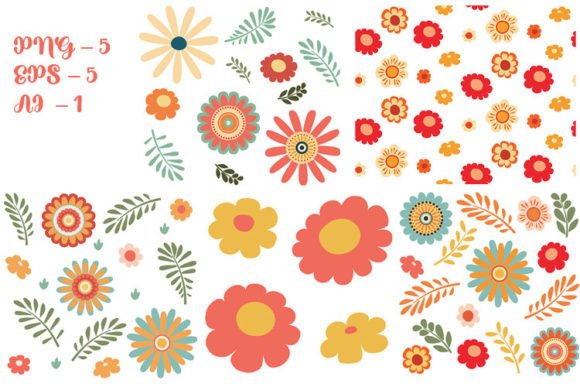
Retro Flowers Pattern in Modern Design and Decor
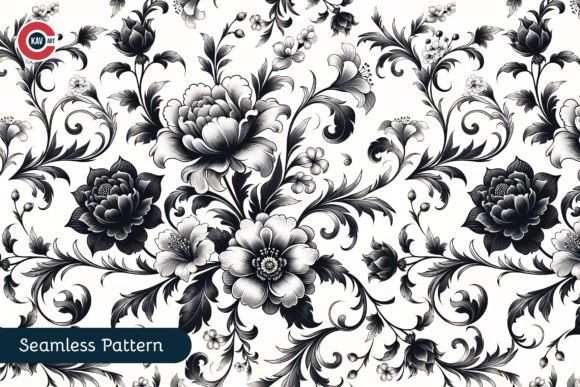
The Retro Flowers Pattern has made a striking return in contemporary design, blending nostalgic charm with modern aesthetics. This decorative flat simple flowers style, often seen in retro pattern design, offers a unique way to infuse vintage flair into both digital and physical spaces. From graphic design to home decor, the Retro Flowers Pattern continues to captivate audiences with its timeless appeal.
Understanding the Retro Flowers Pattern
The Retro Flowers Pattern is characterized by its use of stylized floral motifs that echo mid-20th-century design trends. These patterns often feature bold outlines, soft gradients, and a limited color palette that evokes a sense of nostalgia. The decorative flat simple flowers approach simplifies complex botanical elements, making them versatile for various applications.
This design style gained popularity during the 1960s and 1970s, when it was commonly used in textiles, packaging, and advertising. Today, it has found new life in digital media, branding, and interior design. Its resurgence reflects a growing appreciation for vintage aesthetics and a desire to connect with past design movements.
Key Characteristics of Retro Flowers Pattern
- Stylized Floral Motifs: The pattern features simplified, yet recognizable, flower designs that emphasize form over detail.
- Bold Outlines: Clear, defined lines give the design a structured and cohesive look.
- Color Palette: A mix of muted and vibrant hues creates visual interest while maintaining a harmonious balance.
- Repetition: The pattern is often repeated to create seamless backgrounds or textures.
Applications of Retro Flowers Pattern
The versatility of the Retro Flowers Pattern makes it suitable for a wide range of applications. In digital design, it is frequently used as a background for websites, social media posts, and mobile apps. Its retro aesthetic adds a distinctive touch that can differentiate a brand from competitors.
In print media, the pattern is popular for creating eye-catching posters, packaging, and stationery. It works well in both high-end and budget-friendly designs, offering a cost-effective way to achieve a premium look. For example, a food packaging company might use the Retro Flowers Pattern to evoke a sense of tradition and quality.
Home Decor and Interior Design
The Retro Flowers Pattern has also become a favorite in home decor. It can be found on wall art, curtains, and furniture upholstery. When used in interior design, it brings a warm, inviting atmosphere to any space. The pattern’s simplicity allows it to blend seamlessly with other design elements, making it a flexible choice for different styles.
For instance, a living room with neutral tones can be enhanced with a Retro Flowers Pattern throw pillow or rug. The pattern adds visual interest without overwhelming the space. Similarly, a bedroom can benefit from a Retro Flowers Pattern headboard or bedspread, creating a cozy and stylish environment.
Advantages of Using Retro Flowers Pattern
One of the main advantages of the Retro Flowers Pattern is its ability to evoke emotion and memory. The pattern’s nostalgic qualities can create a strong connection with viewers, making it an effective tool for storytelling and brand identity. This emotional resonance can enhance user engagement and foster a deeper relationship between the audience and the design.
Another benefit is its adaptability. The pattern can be customized to fit different themes and contexts. Whether it’s used in a corporate setting or a personal project, the Retro Flowers Pattern can be adjusted to meet specific needs. This flexibility makes it a valuable asset for designers and creators looking to add a unique touch to their work.
Considerations When Using Retro Flowers Pattern
While the Retro Flowers Pattern offers many benefits, there are some considerations to keep in mind. One challenge is ensuring that the pattern doesn’t overpower the design. Too much repetition or too many colors can make the design feel cluttered. It’s important to strike a balance between the pattern and other elements to maintain clarity and focus.
Additionally, the effectiveness of the Retro Flowers Pattern may vary depending on the target audience. While it resonates with those who appreciate vintage aesthetics, it may not be as appealing to more modern or minimalist audiences. Understanding the preferences of the intended audience is crucial when incorporating this pattern into a design.
Creating and Using Retro Flowers Pattern Files
Designers and creators often rely on a variety of file formats to implement the Retro Flowers Pattern. Commonly included files are PNG, EPS, and AI formats, each serving a specific purpose. PNG files are ideal for web use due to their transparency support and compatibility with most platforms. EPS files are preferred for print projects, as they maintain high quality at any size. AI files are used in Adobe Illustrator for detailed editing and customization.
Having access to multiple file types ensures that the Retro Flowers Pattern can be applied across different mediums and projects. For example, a designer might use an AI file to modify the pattern for a custom logo, while a photographer could use a PNG file for a social media post. This flexibility enhances the practicality of the pattern and supports a wide range of creative endeavors.
Best Practices for Working with Retro Flowers Pattern Files
- File Organization: Keep all Retro Flowers Pattern files organized to streamline the design process.
- Version Control: Maintain different versions of the pattern to track changes and improvements.
- Resolution Settings: Ensure that files are created at the appropriate resolution for their intended use.
- Color Consistency: Use consistent color codes to maintain visual harmony across different projects.
Future Trends in Retro Flowers Pattern Design
The Retro Flowers Pattern shows no signs of fading in popularity. As design trends continue to evolve, the pattern is likely to remain relevant, especially as consumers seek unique and meaningful aesthetics. Future developments may include more interactive and dynamic versions of the pattern, particularly in digital media.
Designers are also exploring ways to merge the Retro Flowers Pattern with other design elements, such as geometric shapes and abstract forms. This fusion could lead to new interpretations of the pattern that push the boundaries of traditional design. Additionally, advancements in technology may enable more personalized and customizable versions of the pattern, catering to individual preferences and needs.