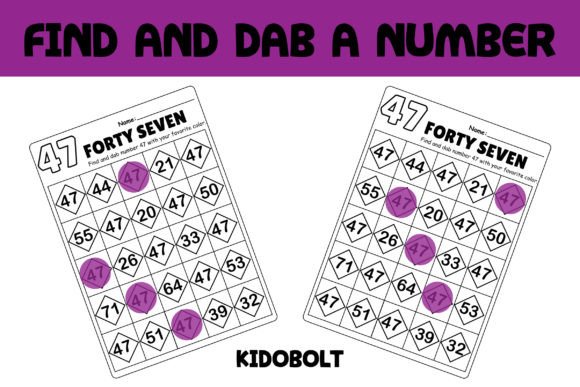
PreK and Kindergarten Dab a Dot Number Worksheet: A Fun Way to Master Number Recognition
Learning numbers is one of the first and most important milestones in a child's educational journey. For preschoolers and kindergartners, it can be both exciting and challenging to recognize and remember numerical symbols. That’s where Dab a Dot number worksheets come into play. These interactive and engaging activities are designed to help young learners develop their number recognition skills through a hands-on approach they’ll love—dabbing! In this article, we’ll explore how these worksheets work, why they’re effective, and how you can use them to support your child or students at home or in the classroom.
What Is a Dab a Dot Number Worksheet?
A Dab a Dot worksheet is a type of learning activity that encourages children to practice identifying numbers by using a dabber (like a bingo dauber) to mark specific spots on the page. Each worksheet typically features numbers from 1 to 10 or even up to 20, along with corresponding visual cues such as dots, objects, or shapes. The child uses the dabber to “dot” the correct number of items based on the target numeral shown at the top of the sheet.
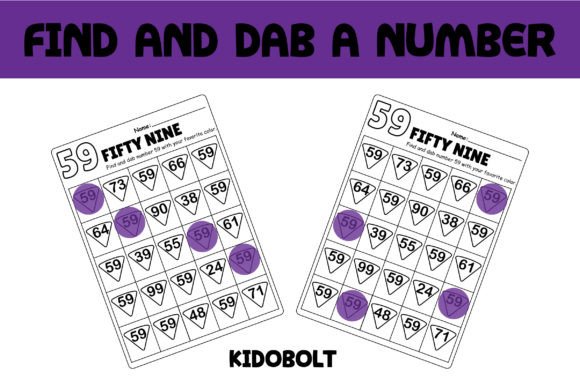
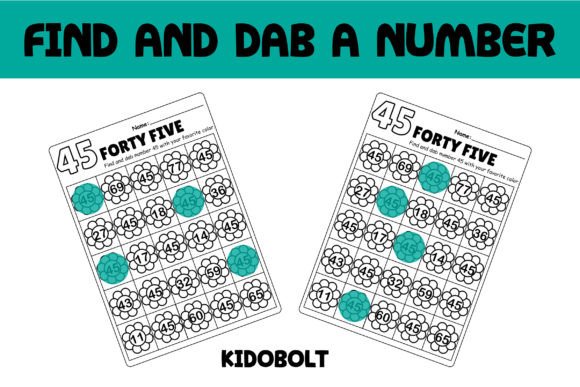
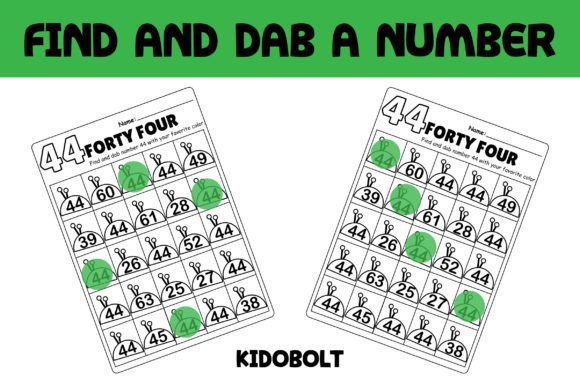
The PreK Dab a Dot Number Worksheet - 47 and Kindergarten Number Dab a Dot Printable Worksheet are two popular examples among educators and parents. Both are formatted for easy printing and offer high-quality JPG files at 300 DPI, ensuring clarity and durability when printed. These resources are especially useful for kids who need extra practice with number identification and counting skills.
How It Works
- Step 1: Print out the worksheet and gather some dabbers or alternative tools like stickers, buttons, pompoms, or dry-erase markers.
- Step 2: Identify the number listed at the top of the worksheet.
- Step 3: Use the dabber to dot each item that corresponds to the given number. For example, if the number is 5, the child should dab five apples or stars on the page.
- Step 4: Repeat the activity with different numbers to reinforce learning and retention.
Why Dab a Dot Worksheets Are Great for Young Learners
These worksheets are more than just a fun activity—they’re an excellent educational tool. Here are some reasons why they're so beneficial for early childhood development:
Engages Multiple Senses
Children learn best when they can interact with the material in various ways. The tactile experience of pressing a dabber onto paper helps reinforce number recognition through touch, while the visual aspect allows them to see the numeral clearly. This multisensory approach makes it easier for little ones to absorb and retain information.
Encourages Fine Motor Skills Development
Picking up and squeezing a dabber requires precise hand movements, which helps strengthen a child’s fine motor skills. These skills are crucial for writing, drawing, and other classroom tasks later on. Even better, using alternative materials like stickers or decorative stamps can provide additional sensory experiences while working on coordination and control.
Makes Learning Enjoyable
Young children often struggle to stay focused during traditional lessons. Dab a Dot activities turn learning into a game, making it something they look forward to. The colorful designs and repetitive nature of the task allow them to feel a sense of accomplishment with each completed worksheet.
Supports Different Learning Styles
Not all kids learn the same way. Some are visual learners, others prefer kinesthetic learning, and many benefit from a combination of both. Dab a Dot worksheets cater to these varied styles by combining visual representation with physical interaction. This adaptability ensures that every child has the opportunity to succeed and enjoy the learning process.
Who Can Benefit from Dab a Dot Activities?
While these worksheets are ideal for preschoolers and kindergartners, they can also be used to support children who may need extra help with number recognition. If your child or student struggles to remember what the numerals look like or has difficulty matching numbers to quantities, these activities can be a lifesaver.
Additionally, teachers often recommend Dab a Dot worksheets as part of their back-to-school collection. At the beginning of the academic year, it’s important to assess what students already know and identify areas where they may need more guidance. These worksheets offer a quick and painless way to gauge a child’s current level of understanding while simultaneously helping them improve.
Perfect for Homeschooling and Classroom Settings
Whether you’re a homeschool parent or a teacher managing a classroom full of energetic learners, Dab a Dot number worksheets are incredibly versatile. They can be used during circle time, math centers, or as homework assignments. Plus, they’re low-prep and reusable if laminated, making them a cost-effective choice for busy educators.
Alternative Uses and Variations
If you don’t have dabbers handy or want to switch things up for variety, there are plenty of alternatives you can try:
- Decorative Stamps: Use themed stamps like animals or shapes to add a creative twist.
- Dry Erase Markers: Laminate the worksheet and let kids draw over the numbers for repeated use.
- Pompoms or Buttons: Place small craft items on the numbered spots for a textured experience.
- Stickers: Provide self-adhesive stickers for children to apply in the correct positions.
These variations not only keep the activity fresh but also allow for differentiation based on a child’s developmental stage or personal interests. For instance, a child who loves dinosaurs might be more motivated to complete the worksheet if they’re using dinosaur-shaped stickers instead of regular dots.
How to Get Started with Dab a Dot Number Worksheets
Getting started with a Dab a Dot number worksheet is simple and straightforward. Here’s a step-by-step guide to set up your session:
- Print the Worksheet: Choose between the PreK Dab a Dot Number Worksheet - 47 or the Kindergarten version depending on the child’s age and skill level.
- Gather Materials: Collect dabbers, stamps, stickers, or any other marking tools you plan to use.
- Introduce the Activity: Show the child how to use the dabber or chosen tool to mark the correct number of items on the page.
- Guide and Encourage: Offer gentle assistance as needed, praising their efforts and progress along the way.
- Review and Reflect: After completing the worksheet, go over the answers together and discuss any challenges they faced.
Pro Tips for Success
- Start Small: Begin with numbers 1–5 before moving on to higher numbers to build confidence gradually.
- Make It a Game: Turn the activity into a challenge by timing how fast the child can complete the worksheet correctly.
- Use Themes: Incorporate seasonal or holiday themes to keep the activity relevant and exciting throughout the year.
- Offer Rewards: Give small incentives like stickers or praise to motivate continued effort and engagement.
Common Misconceptions About Dab a Dot Worksheets
Despite their popularity, some people may think that Dab a Dot activities are too simplistic or not “real” learning. However, this couldn't be further from the truth. While they may seem basic, these worksheets are carefully structured to promote number sense, counting accuracy, and cognitive development in young children. The repetition involved helps solidify concepts in memory, and the interactive format keeps kids engaged longer than passive exercises.
Another common misunderstanding is that these worksheets aren’t suitable for older students. While they’re primarily designed for preschool and kindergarten, they can still be valuable for first graders who need reinforcement or for special education settings where individualized instruction is key.
Real-Life Applications and Benefits
Beyond the classroom, mastering number recognition is essential for everyday life. From reading clocks and calendars to understanding prices and quantities, numbers are everywhere. Early exposure to numeracy through engaging activities like Dab a Dot helps children build a strong foundation for future math learning.
In a school setting, teachers often use these worksheets to introduce new numbers or review previously learned ones. They can also serve as a diagnostic tool to identify which students need more support in the coming months. Parents can use them at home to supplement learning or simply spend quality time with their children while reinforcing important skills.
Encouraging Creativity Through Math
One of the unexpected benefits of Dab a Dot worksheets is the opportunity they provide for creativity. When children choose different colors or materials to complete the activity, they begin to associate numbers with fun and personal expression. This can lead to increased interest in math and a positive attitude toward learning in general.
Share Your Projects for Inspiration
As mentioned earlier, one of the joys of using these worksheets is the freedom to personalize them. If you’ve created something unique using the PreK Dab a Dot Number Worksheet - 47 or the Kindergarten version, consider sharing your project with others. Not only does this encourage community and collaboration, but it also inspires fellow educators and parents to get creative with their own activities.
Sharing can take many forms:
- Post photos of completed worksheets on social media with a hashtag like #DabADotFun.
- Write a short blog post about how you adapted the activity for your child’s needs.
- Invite other parents or teachers to collaborate on shared Pinterest boards or online groups.
When you share your projects, you contribute to a growing network of ideas and innovations in early childhood education. Others can learn from your experience and perhaps find new ways to incorporate these worksheets into their teaching or parenting routines.
Final Thoughts on Dab a Dot Number Worksheets
Number recognition is a critical component of early math education, and the right tools can make all the difference. The PreK Dab a Dot Number Worksheet - 47 and Kindergarten Number Dab a Dot Printable Worksheet are excellent resources that combine fun with learning, offering a unique and effective way to teach numbers to young children.
By using these worksheets regularly, you can help your child or student build confidence in math, develop fine motor skills, and foster a love of learning. Whether you're looking for a classroom activity, a homeschool lesson, or just a fun way to pass the time, Dab a Dot worksheets are a fantastic choice.
So why not give them a try? Gather your materials, print out the worksheet, and watch your child light up with excitement and pride as they master numbers one dab at a time.