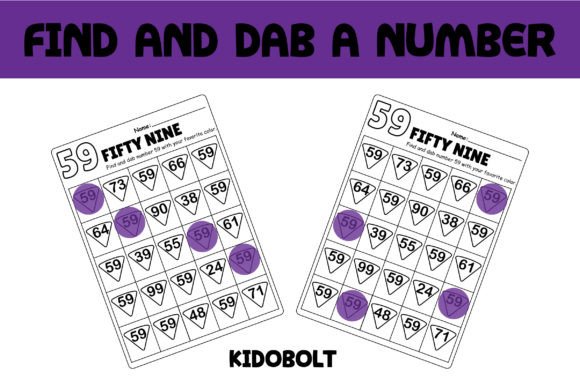
Engaging and Effective: The PreK Dab a Dot Number Worksheet for Early Learning Success
Early childhood education is a critical foundation for lifelong learning, and developing number recognition skills is one of the first steps in this journey. For preschoolers and kindergartners, activities that are both fun and educational can make all the difference in how they engage with learning. One such activity that has gained popularity among educators and parents alike is the **Dab a Dot Number Worksheet**. These printable worksheets offer an interactive way to help young learners identify numbers, while also building fine motor skills and encouraging creativity.
What Is a Dab a Dot Number Worksheet?
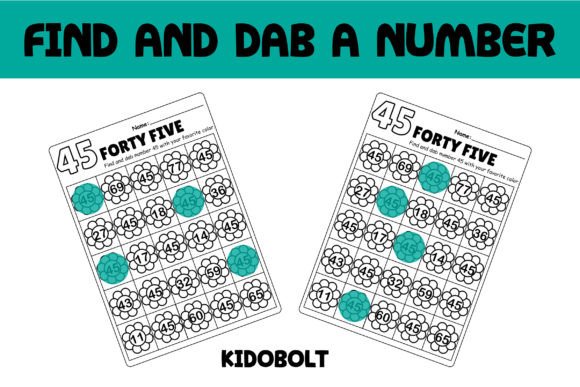
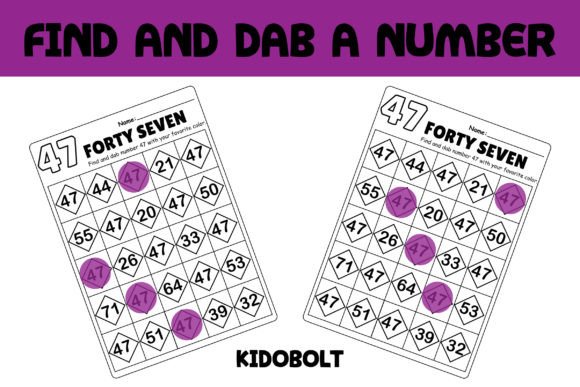
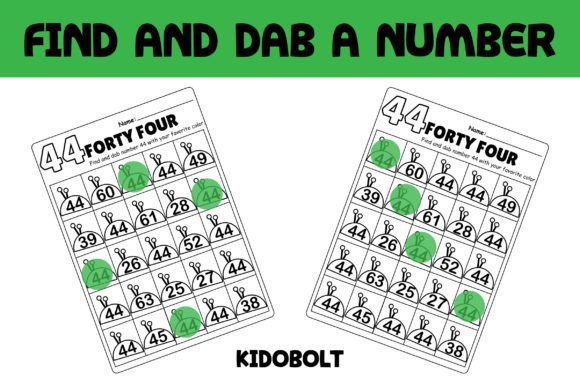
A Dab a Dot Number Worksheet is a hands-on learning tool designed to teach number recognition through tactile play. It typically features large, clear numbers from 0 to 9 or more, each surrounded by dots or shapes corresponding to the value of the number. Children use a dabber (like a bingo dauber) to press ink onto these dots, creating a visual representation of the number’s quantity.
The JPG 300 DPI format ensures high-quality printing, making the worksheet durable and easy to read even when printed multiple times. With its vibrant colors and engaging layout, this worksheet is ideal for capturing the attention of little ones who might otherwise find traditional number practice boring or frustrating.
Why Use Dab a Dot Worksheets in Preschool and Kindergarten?
Number recognition is a fundamental math skill that sets the stage for future learning in arithmetic, counting, and problem-solving. However, many children struggle with remembering or identifying numbers at this age. This is where the Dab a Dot Number Worksheet shines—it transforms passive learning into an active, enjoyable experience.
- Visual and Tactile Learning: By pressing a dabber onto the numbered dots, children create a physical connection between the numeral and its quantity. This multisensory approach helps reinforce memory and understanding.
- Motor Skill Development: Squeezing and using a dabber requires hand strength and coordination, which supports the development of essential fine motor skills needed for writing later on.
- Adaptability: These worksheets can be used in various ways—whether in the classroom, during homeschooling, or as part of a daily routine at home. Their flexibility makes them suitable for individual or group activities.
- Encourages Creativity: While dabbing is the main activity, children can also personalize their worksheets using decorative stamps, dry-erase markers, pompoms, buttons, or stickers. This variation keeps the activity fresh and exciting every time.
Perfect for the Start of the School Year
At the beginning of the school year, teachers often assess students' baseline knowledge. The Dab a Dot Number Worksheet is an excellent resource for this purpose. It allows educators to quickly gauge which students have mastered basic number recognition and which may need additional support. This assessment can inform lesson planning and ensure that each child receives the right level of instruction and reinforcement.
How to Use the Dab a Dot Number Worksheet Effectively
Using the Dab a Dot Number Worksheet is simple and intuitive, but there are several strategies you can employ to maximize its effectiveness:
- Start with Basics: Begin with numbers 0 to 5 before progressing to higher numbers. This gradual approach prevents overwhelm and builds confidence.
- Use the “Number of the Day” Method: Focus on one number each day. Have the child dab all instances of that number on the worksheet. You can pair this with counting objects around the room or home to reinforce the concept.
- Incorporate Repetition: Repeat the activity regularly. Consistency is key in early learning, and repeated exposure helps solidify number recognition.
- Make It Interactive: Encourage children to count out loud as they dab each dot. This verbal reinforcement enhances cognitive retention.
- Vary the Tools: To keep things interesting, allow kids to use different tools instead of dabbers, such as finger paints, crayons, or even small toys like beads or erasers.
These worksheets are especially beneficial for children who are reluctant learners or those who require extra practice. The low-pressure nature of the activity encourages participation without causing frustration.
Alternative Methods for Extra Engagement
While dabbers are the most common tool for this activity, don’t feel limited! There are plenty of creative alternatives that can add variety and excitement:
- Dry Erase Markers: Ideal for reusable whiteboards or laminated sheets. Kids can trace the numbers and then dab the dots repeatedly.
- Decorative Stamps: Use themed stamps (e.g., animals, shapes, or seasonal images) to represent the quantity of each number. This adds a storytelling element to the activity.
- Pompoms and Buttons: Glue or tape the dots to a surface and let children place small items over them. This works well for tactile learners and can double as a sorting activity.
- Stickers: Provide small stickers for children to apply over the dots. This method is great for practicing following directions and pattern recognition.
These variations not only maintain interest but also allow for differentiation based on the child’s developmental stage and learning style.
Benefits Beyond Number Recognition
While the primary goal of the Dab a Dot Number Worksheet is to teach number identification, it also offers broader educational benefits:
Develops Fine Motor Skills
Manipulating a dabber or placing small objects over the dots strengthens hand muscles and improves dexterity. These skills are crucial for writing, drawing, and other tasks that require precision.
Boosts Concentration and Focus
Filling in the dots requires sustained attention, which helps improve focus. As children complete the task, they learn to concentrate on details and follow instructions step-by-step.
Encourages Independence and Confidence
Children take pride in completing a worksheet independently. Each completed sheet serves as a tangible achievement, reinforcing self-confidence and a sense of accomplishment.
Supports Classroom and Home Learning
Whether you're a teacher looking for an engaging classroom activity or a parent seeking a fun way to reinforce learning at home, the Dab a Dot Number Worksheet fits seamlessly into your routine. Its portability and ease of use make it perfect for center rotations, morning work, or homework assignments.
Real-Life Applications and Relevance
Number recognition is more than just an academic exercise—it plays a vital role in everyday life. From reading clocks and calendars to understanding prices and quantities, numeracy is a practical skill that supports independence and decision-making. Introducing children to numbers through fun, interactive methods like the Dab a Dot worksheet lays a strong foundation for these real-world applications.
Moreover, in today's technology-driven world, many educational resources are digital. But there’s still immense value in offline, hands-on learning. Activities like dabbing help bridge the gap between screen-based learning and physical interaction, ensuring children develop both cognitive and motor abilities holistically.
How to Incorporate into Daily Routines
Here are some ideas for integrating the Dab a Dot Number Worksheet into your daily teaching or parenting routine:
- Morning Work: Start the day with a quick dab-a-dot session to activate mathematical thinking.
- Math Centers: Include the worksheet in a rotation of learning centers to provide structured yet flexible practice.
- Home Practice: Print the worksheet and set it up as a quiet-time activity. Parents can guide younger children or let older ones work independently.
- Assessment Tool: Use the worksheet periodically to check progress. If a child consistently misidentifies certain numbers, targeted intervention can be planned.
Common Misconceptions About Number Recognition
Some parents and educators mistakenly believe that number recognition is simply about memorization. However, true number sense involves understanding the relationship between numerals and quantities, as well as being able to count accurately. The Dab a Dot worksheet addresses these components by pairing visual symbols with physical actions, helping children grasp the meaning behind numbers.
Another misconception is that children should master number recognition quickly. In reality, it's a developmental process that varies from child to child. Using consistent, playful activities like the Dab a Dot worksheet allows children to build skills at their own pace without pressure.
Share Your Projects for Community Inspiration
One of the best parts of using the Dab a Dot Number Worksheet is the opportunity to get creative and share results. Many educators and parents encourage children to complete the worksheet and then display their work proudly. Sharing photos of completed projects on social media or within a classroom community fosters a sense of belonging and inspiration.
If you’ve used the PreK Dab a Dot Number Worksheet - 59 or any other version in your teaching or home environment, consider sharing your project online. Not only does this help others see how versatile and effective the activity can be, but it also creates a supportive network of educators and parents who can exchange ideas and celebrate successes together.
Getting Started Today
There’s no better time to introduce the Dab a Dot Number Worksheet than now. Whether you're preparing for the new school year or supplementing existing lessons, this resource is a valuable addition to any early childhood curriculum. Its combination of educational rigor and playful design makes it an ideal tool for helping children grow confident and capable in their math skills.
Remember, the key to successful early learning is engagement. When children enjoy what they’re doing, they’re more likely to retain information and continue exploring new concepts. The Dab a Dot activity does just that—it turns learning into a joyful, interactive experience that children will look forward to every day.
Final Thoughts
The PreK Dab a Dot Number Worksheet is more than just a simple printout; it's a powerful educational tool that supports number recognition, motor development, and overall learning engagement. With its adaptability and user-friendly format, it’s suitable for a wide range of settings and learning styles. By incorporating this activity into your teaching or parenting toolkit, you're not only helping children master numbers but also nurturing their curiosity and love for learning.
So why wait? Grab your dabbers, print the worksheet, and watch your little learner shine. And if you come up with a unique twist on the activity, don’t forget to share your project made with this product so others can benefit from your creativity and inspiration!