70 Years Badge with Golden Wreath: A Symbol of Legacy and Achievement
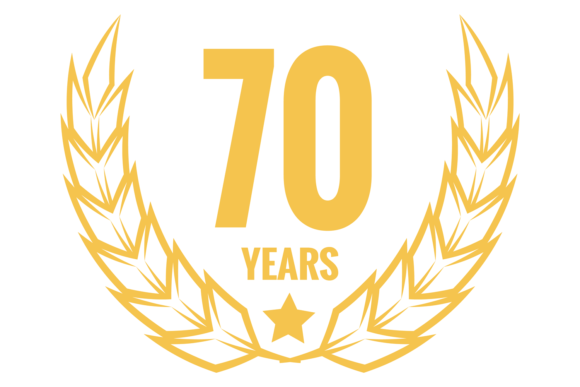
The 70 Years Badge with Golden Wreath is more than just a decorative element; it represents a milestone of endurance, dedication, and success. Whether used in corporate settings, personal celebrations, or historical commemorations, this emblem carries deep significance. Its design, often featuring a golden wreath surrounding a badge that signifies seven decades, is both elegant and meaningful. The badge serves as a visual testament to time, effort, and the passage of years.
Design and Aesthetic Appeal
The 70 Years Badge with Golden Wreath combines traditional symbolism with modern design elements. The golden wreath, typically crafted with intricate details, symbolizes victory, honor, and longevity. This motif has been used for centuries in various cultures to mark achievements and commemorate significant events. When paired with a badge that highlights the number 70, it becomes a powerful statement of legacy.
The badge can be found in multiple formats, including EPS, JPG, SVG, and transparent PNG files. These digital versions allow for easy integration into marketing materials, banners, websites, and social media posts. The versatility of the design ensures that it can be adapted to different platforms while maintaining its visual integrity. For instance, a transparent PNG version enables seamless placement on any background without compromising clarity.
Use Cases and Applications
The 70 Years Badge with Golden Wreath is widely used in various industries and contexts. In the corporate world, it is often incorporated into anniversary celebrations, employee recognition programs, and branding initiatives. Companies that have operated for seven decades may use the badge to highlight their history and commitment to excellence. This not only reinforces their brand identity but also builds trust with customers and stakeholders.
In addition to corporate applications, the badge is popular in educational institutions, museums, and cultural organizations. Schools and universities may display the badge during special events or exhibitions to celebrate their founding or notable milestones. Museums might use it to mark exhibits related to historical periods or significant anniversaries. The badge’s timeless appeal makes it suitable for both formal and informal settings.
Practical Considerations
When selecting or creating a 70 Years Badge with Golden Wreath, several factors should be considered. The choice of file format depends on the intended use. For print materials, EPS or vector-based SVG files are ideal as they maintain quality at any size. For digital use, such as website headers or social media graphics, JPG or PNG formats offer convenience and compatibility.
Another important consideration is the level of customization. While pre-designed badges are available, many users opt for personalized versions that reflect specific themes or branding guidelines. This could involve adjusting colors, adding text, or modifying the wreath design to align with a particular aesthetic. Customization allows the badge to stand out and resonate more deeply with its audience.
Symbolism and Cultural Significance
The golden wreath has long been associated with honor and achievement. In ancient Greece, wreaths were awarded to victors in athletic competitions and were seen as symbols of glory. Over time, this symbolism evolved and was adopted by various cultures around the world. Today, the golden wreath continues to represent success, respect, and remembrance.
When combined with the number 70, the badge takes on an additional layer of meaning. Seven decades represent a substantial period of time, often marked by growth, change, and perseverance. The badge serves as a reminder of the journey undertaken and the accomplishments achieved over the years. It is a way to honor the past while looking toward the future.
Integration into Modern Design
The 70 Years Badge with Golden Wreath can be seamlessly integrated into contemporary design projects. Graphic designers, event planners, and marketers often use the badge to add a touch of elegance and sophistication to their work. Its classic appearance pairs well with modern fonts and layouts, making it a versatile element in visual storytelling.
For example, a designer creating a promotional poster for a 70th-anniversary celebration might incorporate the badge as a central graphic element. The badge could be placed alongside a bold headline and supporting text to create a cohesive and visually appealing layout. Similarly, a website redesign project might feature the badge in a hero section to emphasize the company’s long-standing presence in the industry.
Choosing the Right Format
Selecting the appropriate file format for the 70 Years Badge with Golden Wreath is crucial for achieving the desired outcome. EPS files are ideal for professional printing as they maintain high resolution and scalability. SVG files are perfect for web use due to their ability to render clearly at any size. JPG and PNG formats offer flexibility for digital platforms, though they may lose quality when scaled up.
Transparent PNG files are particularly useful when the badge needs to be placed on backgrounds with varying colors or patterns. This format ensures that the badge appears clean and professional without any unwanted borders or edges. For users who require a quick and easy solution, pre-made templates in common file formats are readily available online.
Conclusion
The 70 Years Badge with Golden Wreath is a powerful symbol that bridges the past and present. Its design, rich in meaning and aesthetics, makes it a valuable asset in a wide range of applications. From corporate events to personal milestones, the badge adds a sense of tradition and grandeur. By understanding its characteristics, use cases, and formatting options, individuals and organizations can effectively leverage this emblem to celebrate and communicate their achievements. Whether displayed in print or digital form, the 70 Years Badge with Golden Wreath continues to inspire and resonate across generations.